PIXNET Logo登入

websitedesign

跳到主文

website design小天地

部落格全站分類:

  • 相簿
  • 部落格
  • 留言
  • 名片
  • 8月 20 週一 201811:04
  • 機房建置,數據中心四大要求

機房建置
機房建置,數據中心機房設計集建築、結構、電氣、暖通空調、給排水、消防、網絡、智能化等多個專業技術於一體。IDC機房應具有“良好的安全性能,可靠而且不能間斷”的特點。
如何保證數據中心發揮良好的安全性能,並且可靠地不間斷工作,在建設數據中心時要按照以下幾點要求:
電力系統要求
1、供配電系統應爲電子信息系統的可擴展性預留備用容量。
2、電子信息系統機房應由專用配電變壓器或專用迴路供電,變壓器宜採用乾式變壓器,且應提供嚴格意義上的雙迴路供電。
3、電子信息系統機房內的低壓配電系統不應採用TN-C系統。
4、電子信息設備應由不間斷電源系統供電。
5、用於電子信息系統機房內的動力設備與電子信息設備的不間斷電源系統應由不同迴路配電。
6、電子信息設備的配電應採用專用配電箱(櫃),專用配電箱(櫃)應靠近用電設備安裝。
7、電子信息設備的電源連接點應與其他設備的電源連接點嚴格區別,並應有明顯標識。
8、A級電子信息系統機房應配置後備柴油發電機系統,當市電發生故障時,後備柴油發電機應能承擔全部負荷的需要。
9、市電與柴油發電機的切換應採用具有旁路功能的自動轉換開關。自動轉換開關檢修時,不應影響電源的切換。
10、信息化管理辦公室現有用電量爲:50kW/h,如果擴大到全市各單位,預計10倍計算量爲:500kW/h(只是概略估計)。但是爲了將來的用電需求,儘量加大電力供應能力。
消防要求
1、一般規定
(1)電子信息系統機房應根據機房的等級設置相應的滅火系統,並應按現行國家標準《建築設計防火規範》GB50016、《高層民用建築設計防火規範》GB50045和《氣體滅火系統設計規範》GB50370,以及本規範附錄A的要求執行。
(2)電子信息系統機房的主機房應設置潔淨氣體滅火系統。機房中的變配電、不間斷電源系統和電池室,宜設置潔淨氣體滅火系統,也可設置高壓細水霧滅火系統。
(3)電子信息系統機房應設置火災自動報警系統,並應符合現行國家標準《火災自動報警系統設計規範》GB50116的有關規定。
2、消防設施
(1)採用管網式潔淨氣體滅火系統或高壓細水霧滅火系統的主機房,應同時設置兩種火災探測器,且火災報警系統應與滅火系統聯動。
(2)滅火系統控制器應在滅火設備動作之前,聯動控制關閉機房的風門、風閥,並應停止空調機和排風機、切斷非消防電源等。
(3)(自動噴水滅火系統的噴水強度、作用面積等設計參數,應按現行國家標準《自動噴水滅火系統設計規範》GB50084的有關規定執行。
靜電、防雷與接地要求
1、靜電防護
(1)主機房和輔助區的地板或地面應有靜電泄放措施和接地構造,防靜電地板、地面的表面電阻或體積電阻值應爲2.5×10⁴~1.0×10⁹Ω,且應具有防火、環保、耐污耐磨性能。
(2)主機房和輔助區內的工作臺面宜採用導靜電或靜電耗散材料。
(3)電子信息系統機房內所有設備的金屬外殼、各類金屬管道、金屬線槽、建築物金屬結構等必須進行等電位聯結並接地。
(4)靜電接地的連接線應有足夠的機械強度和化學穩定性,宜採用焊接或壓接。當採用導電膠與接地導體粘接時,其接觸面積不宜小於20cm2。 
2、防雷與接地
(1)電子信息系統機房的防雷和接地設計,應滿足人身安全及電子信息系統正常運行的要求,並應符合現行國家標準《建築物防雷設計規範》GB50057和《建築物電子信息系統防雷技術規範》GB50343的有關規定。
(2)保護性接地和功能性接地宜共用一組接地裝置,其接地電阻應按其中最小值確定。
(3)電子信息系統機房內的電子信息設備應進行等電位聯結,等電位聯結方式應根據電子信息設備易受干擾的頻率及電子信息系統機房的等級和規模確定。
機房監控要求
1、一般規定
(1)電子信息系統機房應設置環境和設備監控系統及安全防範系統,各系統的設計應根據機房的等級,按現行國家標準《安全防範工程技術規範》GB50348和《智能建築設計標準》GB/T50314以及本規範附錄A的要求執行。
(2)環境和設備監控系統宜採用集散或分佈式網絡結構。系統應易於擴展和維護,並應具備顯示、記錄、控制、報警、分析和提示功能。
(3)環境和設備監控系統、安全防範系統可設置在同一個監控中心內,各系統供電電源應可靠,宜採用獨立不間斷電源系統電源供電,當採用集中不間斷電源系統電源供電時,應單獨迴路配電。
2、環境和設備監控系統
環境和設備監控系統宜符合下列要求:
監測和控制主機房和輔助區的空氣質量,應確保環境滿足電子信息設備的運行要求;主機房和輔助區內有可能發生水患的部位應設置漏水檢測和報警裝置;強制排水設備的運行狀態應納入監控系統;進入主機房的水管應分別加裝電動和手動閥門。
機房專用空調、柴油發電機、不間斷電源系統等設備自身應配帶監控系統,監控的主要參數宜納入設備監控系統,通信協議應滿足設備監控系統的要求。
A級和B級電子信息系統機房主機的集中控制和管理宜採用KVM切換系統。
(繼續閱讀...)
文章標籤

hank 發表在 痞客邦 留言(0) 人氣(0)

  • 個人分類:Data centre
▲top
  • 8月 20 週一 201811:04
  • 機房建置,數據中心四大要求

機房建置
機房建置,數據中心機房設計集建築、結構、電氣、暖通空調、給排水、消防、網絡、智能化等多個專業技術於一體。IDC機房應具有“良好的安全性能,可靠而且不能間斷”的特點。
如何保證數據中心發揮良好的安全性能,並且可靠地不間斷工作,在建設數據中心時要按照以下幾點要求:
電力系統要求
1、供配電系統應爲電子信息系統的可擴展性預留備用容量。
2、電子信息系統機房應由專用配電變壓器或專用迴路供電,變壓器宜採用乾式變壓器,且應提供嚴格意義上的雙迴路供電。
3、電子信息系統機房內的低壓配電系統不應採用TN-C系統。
4、電子信息設備應由不間斷電源系統供電。
5、用於電子信息系統機房內的動力設備與電子信息設備的不間斷電源系統應由不同迴路配電。
6、電子信息設備的配電應採用專用配電箱(櫃),專用配電箱(櫃)應靠近用電設備安裝。
7、電子信息設備的電源連接點應與其他設備的電源連接點嚴格區別,並應有明顯標識。
8、A級電子信息系統機房應配置後備柴油發電機系統,當市電發生故障時,後備柴油發電機應能承擔全部負荷的需要。
9、市電與柴油發電機的切換應採用具有旁路功能的自動轉換開關。自動轉換開關檢修時,不應影響電源的切換。
10、信息化管理辦公室現有用電量爲:50kW/h,如果擴大到全市各單位,預計10倍計算量爲:500kW/h(只是概略估計)。但是爲了將來的用電需求,儘量加大電力供應能力。
消防要求
1、一般規定
(1)電子信息系統機房應根據機房的等級設置相應的滅火系統,並應按現行國家標準《建築設計防火規範》GB50016、《高層民用建築設計防火規範》GB50045和《氣體滅火系統設計規範》GB50370,以及本規範附錄A的要求執行。
(2)電子信息系統機房的主機房應設置潔淨氣體滅火系統。機房中的變配電、不間斷電源系統和電池室,宜設置潔淨氣體滅火系統,也可設置高壓細水霧滅火系統。
(3)電子信息系統機房應設置火災自動報警系統,並應符合現行國家標準《火災自動報警系統設計規範》GB50116的有關規定。
2、消防設施
(1)採用管網式潔淨氣體滅火系統或高壓細水霧滅火系統的主機房,應同時設置兩種火災探測器,且火災報警系統應與滅火系統聯動。
(2)滅火系統控制器應在滅火設備動作之前,聯動控制關閉機房的風門、風閥,並應停止空調機和排風機、切斷非消防電源等。
(3)(自動噴水滅火系統的噴水強度、作用面積等設計參數,應按現行國家標準《自動噴水滅火系統設計規範》GB50084的有關規定執行。
靜電、防雷與接地要求
1、靜電防護
(1)主機房和輔助區的地板或地面應有靜電泄放措施和接地構造,防靜電地板、地面的表面電阻或體積電阻值應爲2.5×10⁴~1.0×10⁹Ω,且應具有防火、環保、耐污耐磨性能。
(2)主機房和輔助區內的工作臺面宜採用導靜電或靜電耗散材料。
(3)電子信息系統機房內所有設備的金屬外殼、各類金屬管道、金屬線槽、建築物金屬結構等必須進行等電位聯結並接地。
(4)靜電接地的連接線應有足夠的機械強度和化學穩定性,宜採用焊接或壓接。當採用導電膠與接地導體粘接時,其接觸面積不宜小於20cm2。 
2、防雷與接地
(1)電子信息系統機房的防雷和接地設計,應滿足人身安全及電子信息系統正常運行的要求,並應符合現行國家標準《建築物防雷設計規範》GB50057和《建築物電子信息系統防雷技術規範》GB50343的有關規定。
(2)保護性接地和功能性接地宜共用一組接地裝置,其接地電阻應按其中最小值確定。
(3)電子信息系統機房內的電子信息設備應進行等電位聯結,等電位聯結方式應根據電子信息設備易受干擾的頻率及電子信息系統機房的等級和規模確定。
機房監控要求
1、一般規定
(1)電子信息系統機房應設置環境和設備監控系統及安全防範系統,各系統的設計應根據機房的等級,按現行國家標準《安全防範工程技術規範》GB50348和《智能建築設計標準》GB/T50314以及本規範附錄A的要求執行。
(2)環境和設備監控系統宜採用集散或分佈式網絡結構。系統應易於擴展和維護,並應具備顯示、記錄、控制、報警、分析和提示功能。
(3)環境和設備監控系統、安全防範系統可設置在同一個監控中心內,各系統供電電源應可靠,宜採用獨立不間斷電源系統電源供電,當採用集中不間斷電源系統電源供電時,應單獨迴路配電。
2、環境和設備監控系統
環境和設備監控系統宜符合下列要求:
監測和控制主機房和輔助區的空氣質量,應確保環境滿足電子信息設備的運行要求;主機房和輔助區內有可能發生水患的部位應設置漏水檢測和報警裝置;強制排水設備的運行狀態應納入監控系統;進入主機房的水管應分別加裝電動和手動閥門。
機房專用空調、柴油發電機、不間斷電源系統等設備自身應配帶監控系統,監控的主要參數宜納入設備監控系統,通信協議應滿足設備監控系統的要求。
A級和B級電子信息系統機房主機的集中控制和管理宜採用KVM切換系統。
(繼續閱讀...)
文章標籤

hank 發表在 痞客邦 留言(0) 人氣(243)

  • 個人分類:Data centre
▲top
  • 8月 20 週一 201810:33
  • Datacenter migration, peripheral security issues
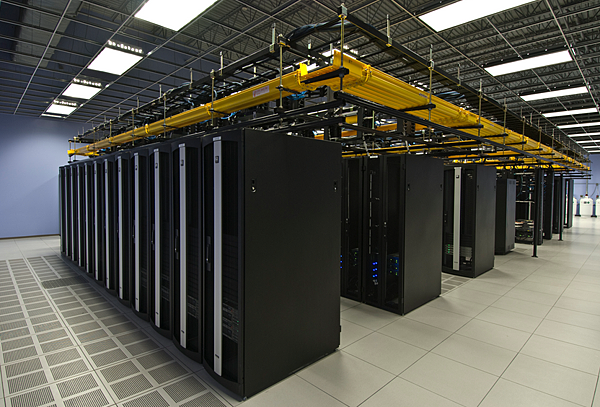
Datacenter migration
Datacenter migration, as smart devices add attack vectors exponentially, the Internet of things (IoT), industrial Internet of things (IIoT), and cloud-based applications rapidly increase data center risk.In this era of global connectivity, organizations need to constantly test their security against complex threats, including Web applications and file-free attacks, memory corruption, return/jump oriented programming (ROP/JOP), and compromised hardware and software supply chain attacks.
While data centers have traditionally relied on detecting and adopting perimeter security solutions to mitigate risks, the proliferation of new cyber threats has increased the need for prevention.According to poirot institute, estimates of data center outage costs an average of more than $740000 (nearly 40% since 2010), who is responsible for the data center network security staff must seek to adopt the next generation of prevention strategies to reduce and close the attack surface, and improve the efficiency of existing infrastructure, processes and personnel.
To protect the surrounding
For decades, peripheral security has been the primary means of protecting data centers.However, this strategy is similar to a medieval castle, where the object of protection is limited to a small area and protected by a solid wall with a heavily guarded entrance point.The data center has built a security layer around it, and these security layers collaborate in depth, the idea being that if one security layer doesn't defend against some attack, it can be protected by the next security layer.
Like castles, data centers emphasize the detection of traffic coming in and out of organizations.Traditional traffic detection methods include mapping out network access points to create continuous testing and reinforcement of peripheral facilities.This is very effective for detecting attacks and generating alerts, and hopefully enough security to prevent security layer damage that can lead to downtime, economic damage, reputational damage, and even environmental damage.
Strengthening data center security
Data center security is no longer about internal protection.Castle solutions work well in the age of mainframes and hardline terminals, but they are less effective against today's threats.In fact, the advent of wireless communications (OTA), iot devices, and cloud computing has made data centers less secure.
The main security challenge facing data centers today is that they must work to maintain the privacy of their data as they deploy applications internally in data centers, public, private, and mixed clouds.While many of their customers extend their business further into the cloud, this may also inadvertently increase the risk of clone configuration extension attacks.An attacker can locate everything in the operating technology components of routers, switches, storage controllers, servers, and sensors and switches.Once hackers gain control of the device, they can extend it more, potentially attacking all the same devices across the network.
Today's attacks come from new or unexpected places, as cyberattackers now have more tools to circumvent perimeter security detection and attack targets from inside the data center.Security is not just about infrastructure, said colonel Paul Craft, director of operations at the joint forces headquarters for the defense information network (jfhq-dodin) at the AFCEA defense network operations symposium in May."" this is our IT platform that will record all of our data, IT's also our ICS and SCADA systems, and IT covers all of our cross-domain networks." "He said.
Many attacks can now be quickly extended from one device to all devices, according to the pollmont institute, as can be seen from hackers' access to 200,000 network devices built with the same code.File - free attacks such as memory corruption (buffers, stacks and heaps) and ROP/JOP (return/jump oriented programming) to perform reordering are also a growing threat, infecting devices 10 times more likely than traditional attacks.
According to symantec's 2018 Internet security threat report, attacks on supply chains have increased 200 percent over the past year.Many organizations and vendors now control only a small portion of their source code because the modern software stack consists of binaries from third parties in the global supply chain that come from proprietary and open source code that contains hidden vulnerabilities.In addition, zero-day attacks are growing rapidly, and many hackers are exploiting unknown vulnerabilities in software, hardware, or firmware to attack systems.
New era of data center network security
Data centers must shift from focusing only on the safety of testing to emphasizing the safety of prevention.As many new attacks completely eschew traditional network and endpoint protection, the latest generation of tools is designed to fend off the growing class of attack media.This not only increases the security against the latest threats, but also increases the effectiveness of tools and processes in handling the rest of the content.
Today, the hardware in the supply chain must be assumed to be compromised.This means that businesses need to build and run protected software on potentially untrusted hardware.Data centers need this new defense strategy, which takes a deep approach to identifying potential vulnerabilities and directly strengthening binaries so that attacks can't be implemented or replicated.
One of the best ways to do this is to somehow convert the software binaries in the device so that the malware cannot change the command and is propagated through the system.This approach, known as "network hardening," prevents a single exploit from spreading across multiple systems.It Narrows the attack horizon and shrinks vulnerabilities in industrial control systems and embedded systems and devices, greatly reducing the chances of physical damage and human damage.
The best security always assumes that hackers will eventually break in.Rather than reacting to an attacked vulnerability after it is exploited, network hardening prevents malware from targeting data centers, and less defensible organizations do not cancel such infrastructure.
(繼續閱讀...)
文章標籤

hank 發表在 痞客邦 留言(0) 人氣(0)

  • 個人分類:Data centre
▲top
  • 8月 20 週一 201810:33
  • Datacenter migration, peripheral security issues

Datacenter migration
Datacenter migration, as smart devices add attack vectors exponentially, the Internet of things (IoT), industrial Internet of things (IIoT), and cloud-based applications rapidly increase data center risk.In this era of global connectivity, organizations need to constantly test their security against complex threats, including Web applications and file-free attacks, memory corruption, return/jump oriented programming (ROP/JOP), and compromised hardware and software supply chain attacks.
While data centers have traditionally relied on detecting and adopting perimeter security solutions to mitigate risks, the proliferation of new cyber threats has increased the need for prevention.According to poirot institute, estimates of data center outage costs an average of more than $740000 (nearly 40% since 2010), who is responsible for the data center network security staff must seek to adopt the next generation of prevention strategies to reduce and close the attack surface, and improve the efficiency of existing infrastructure, processes and personnel.
To protect the surrounding
For decades, peripheral security has been the primary means of protecting data centers.However, this strategy is similar to a medieval castle, where the object of protection is limited to a small area and protected by a solid wall with a heavily guarded entrance point.The data center has built a security layer around it, and these security layers collaborate in depth, the idea being that if one security layer doesn't defend against some attack, it can be protected by the next security layer.
Like castles, data centers emphasize the detection of traffic coming in and out of organizations.Traditional traffic detection methods include mapping out network access points to create continuous testing and reinforcement of peripheral facilities.This is very effective for detecting attacks and generating alerts, and hopefully enough security to prevent security layer damage that can lead to downtime, economic damage, reputational damage, and even environmental damage.
Strengthening data center security
Data center security is no longer about internal protection.Castle solutions work well in the age of mainframes and hardline terminals, but they are less effective against today's threats.In fact, the advent of wireless communications (OTA), iot devices, and cloud computing has made data centers less secure.
The main security challenge facing data centers today is that they must work to maintain the privacy of their data as they deploy applications internally in data centers, public, private, and mixed clouds.While many of their customers extend their business further into the cloud, this may also inadvertently increase the risk of clone configuration extension attacks.An attacker can locate everything in the operating technology components of routers, switches, storage controllers, servers, and sensors and switches.Once hackers gain control of the device, they can extend it more, potentially attacking all the same devices across the network.
Today's attacks come from new or unexpected places, as cyberattackers now have more tools to circumvent perimeter security detection and attack targets from inside the data center.Security is not just about infrastructure, said colonel Paul Craft, director of operations at the joint forces headquarters for the defense information network (jfhq-dodin) at the AFCEA defense network operations symposium in May."" this is our IT platform that will record all of our data, IT's also our ICS and SCADA systems, and IT covers all of our cross-domain networks." "He said.
Many attacks can now be quickly extended from one device to all devices, according to the pollmont institute, as can be seen from hackers' access to 200,000 network devices built with the same code.File - free attacks such as memory corruption (buffers, stacks and heaps) and ROP/JOP (return/jump oriented programming) to perform reordering are also a growing threat, infecting devices 10 times more likely than traditional attacks.
According to symantec's 2018 Internet security threat report, attacks on supply chains have increased 200 percent over the past year.Many organizations and vendors now control only a small portion of their source code because the modern software stack consists of binaries from third parties in the global supply chain that come from proprietary and open source code that contains hidden vulnerabilities.In addition, zero-day attacks are growing rapidly, and many hackers are exploiting unknown vulnerabilities in software, hardware, or firmware to attack systems.
New era of data center network security
Data centers must shift from focusing only on the safety of testing to emphasizing the safety of prevention.As many new attacks completely eschew traditional network and endpoint protection, the latest generation of tools is designed to fend off the growing class of attack media.This not only increases the security against the latest threats, but also increases the effectiveness of tools and processes in handling the rest of the content.
Today, the hardware in the supply chain must be assumed to be compromised.This means that businesses need to build and run protected software on potentially untrusted hardware.Data centers need this new defense strategy, which takes a deep approach to identifying potential vulnerabilities and directly strengthening binaries so that attacks can't be implemented or replicated.
One of the best ways to do this is to somehow convert the software binaries in the device so that the malware cannot change the command and is propagated through the system.This approach, known as "network hardening," prevents a single exploit from spreading across multiple systems.It Narrows the attack horizon and shrinks vulnerabilities in industrial control systems and embedded systems and devices, greatly reducing the chances of physical damage and human damage.
The best security always assumes that hackers will eventually break in.Rather than reacting to an attacked vulnerability after it is exploited, network hardening prevents malware from targeting data centers, and less defensible organizations do not cancel such infrastructure.
(繼續閱讀...)
文章標籤

hank 發表在 痞客邦 留言(0) 人氣(7)

  • 個人分類:Data centre
▲top
  • 8月 15 週三 201810:39
  • 機房建置,虛擬化降低數據中心存儲系統運維複雜度

機房建置
機房建置,爲了滿足各類信息系統日益增長的IT資源需求,降低架構及管理複雜度並實現IT資源的快速交付和彈性分配,基於虛擬化技術建設雲數據中心已成爲當前高校信息化部門的首選。然而,從大多數高校數據中心的建設實踐看,虛擬化技術在計算、網絡和存儲這三大體系上的應用程度並不均衡,尤其是存儲虛擬化並未引起足夠的重視,已成爲高校數據中心建設的短板。
一、數據中心存儲系統面臨的問題
高校應用系統類型複雜,數量繁多。在建設和運行過程中,其存儲容量需求往往呈現螺旋上升趨勢。數據中心建設時,往往由於對存儲容量需求無法準確預估,項目預算或建設週期限制等原因,存儲擴容成爲常態。在擴容過程中,往往由於技術發展,採購限制等種種原因,不得不放棄在原有設備上進行擴容或採購相同設備的方案,而採購新的異構存儲設備。隨着存儲系統規模的不斷擴大,以下問題便凸顯出來:
1、管理複雜度急劇增加
由於不同廠商的存儲設備底層架構、管理界面和軟件功能都有較大的差別,在異構存儲環境下,配置和管理的複雜度無疑會大大增加。不同設備間的數據複製、遷移等操作需要較高的成本。
2、存儲資源利用率無法有效提升
在異構存儲環境下,各存儲設備往往會形成容量壁壘,無法實現統一的資源調度,資源利用率無法有效提高。
3、存儲系統高可用實現困難
異構存儲環境下,增加設備、架構調整或者數據遷移都往往需要對存儲設備進行離線操作,這樣無疑會降低存儲系統的可用性。而實現高可用的技術手段,如存儲鏡像等,又會由於異構存儲間的技術壁壘無法順利實現。
二、存儲虛擬化技術及其實現方式
根據SNIA(存儲網絡工業協會)的定義,存儲虛擬化是指“通過將存儲系統/子系統的內部功能從應用程序、服務器、網絡資源中進行抽象、隱藏或隔離,實現獨立於應用程序、網絡的存儲與數據管理”。簡單來說,存儲虛擬化技術能夠通過屏蔽具體物理設備的物理特徵,將各類存儲設備資源進行整合,爲上層服務器提供一個能夠統一配置管理的邏輯存儲資源池,從而有效地解決了異構存儲架構帶來的種種問題。
存儲虛擬化技術有多種實現方式和途徑。一般情況下,根據虛擬化在I/O路徑中不同的實現位置,可分爲基於主機的虛擬化、基於存儲設備的虛擬化和基於存儲網絡的虛擬化。
1、基於主機的虛擬化
基於主機的虛擬存儲依賴於代理或管理軟件,它們安裝在一個或多個主機上,實現存儲虛擬化的控制和管理。由於控制軟件是運行在主機上,會佔用主機資源且存在不同操作系統間的兼容性問題。因此,這種方法的可擴展性較差,實際運行的性能不是很好。
基於主機的方法也有可能影響到系統的穩定性和安全性,因爲有可能導致不經意間越權訪問到受保護的數據。這種方法要求在主機上安裝適當的控制軟件,因此一個主機的故障可能影響整個SAN系統中數據的完整性。軟件控制的存儲虛擬化還可能由於不同存儲廠商軟硬件的差異而帶來不必要的互操作性開銷,所以這種方法的靈活性也比較差。但是,因爲不需要任何附加硬件,基於主機的虛擬化方法最容易實現,其設備成本也最低。
2、基於存儲設備的虛擬化
基於存儲設備的虛擬化依賴於存儲設備的控制器軟件功能模塊,這種虛擬化技術往往只能解決同一廠商系列設備的虛擬化問題,無法支持包含多個廠商設備的複雜存儲系統的虛擬化。依賴於存儲供應商的虛擬化功能模塊將會在系統中排斥簡單的硬盤組和簡單存儲設備的使用,因爲這些設備並沒有提供存儲虛擬化的功能。採用該存儲虛擬化技術也會導致存儲系統在建設過程中的品牌唯一問題。當然,對於已經採用同一廠商不同系列存儲設備的數據中心來說,該方案能夠較容易地實現存儲資源的虛擬化和統一管理。
3、基於存儲網絡的虛擬化
基於存儲網絡的虛擬化是指在存儲系統的SAN網絡設備上實現存儲虛擬化功能。根據其數據路徑和控制路徑的耦合情況,可分爲對稱虛擬化和非對稱虛擬化兩種。對稱虛擬化是指數據路徑與控制路徑重合,在數據讀寫的過程中,在主機到存儲設備的路徑上實現虛擬存儲。具體實現時,實現虛擬化功能的設備安裝在主機和存儲設備的數據通道內,所有控制及數據訪問都必須通過該設備。該實現方式無需對現有SAN架構進行任何更改,也無需佔用任何的主機資源。
非對稱虛擬化是指數據路徑與控制路徑不重合,在主機到存儲設備的路徑外實現虛擬存儲。非對稱存儲虛擬化設備位於主機和存儲之間的數據通道之外,通過其他的網絡連接方式與主機系統通信,因而在主機中需要安裝專門的客戶端軟件,所面臨的問題與基於主機的存儲虛擬化類似。
三、存儲虛擬化技術帶來的好處
從應用實踐看,存儲虛擬化的實施爲數據中心的建設和運維帶來了以下幾點好處:
1、降低了存儲系統建設和管理的複雜度
由於採用了存儲虛擬化技術,數據中心的運維人員在日常管理與維護中通常無需對單一存儲設備進行操作,而是通過存儲虛擬化控制器提供的統一界面,對存儲資源進行管理。對存儲系統擴容時,可以靈活地根據需求、成本、項目預算等因素考慮採用利舊,對原有設備擴容及採購異構存儲等多種方案,實現了業務的不中斷操作。
2、實現了存儲資源的有效利用
與傳統存儲配置方式相比,基於虛擬存儲的自動精簡配置技術可以實現存儲資源的有效利用,能夠有效地避免物理存儲空間因超量分配導致的閒置。同時,存儲虛擬化技術通過構造存儲資源池,突破了單一設備的容量壁壘,實現了設備的容量整合。
3、存儲系統的高可用易於實現
通過存儲虛擬化控制器能夠非常容易在不同存儲設備上定義和實現存儲同步鏡像及雙活且對主機透明,當單一存儲設備因故障、檢修等原因需要停機時,不會影響相關業務的運行。
4、可實現存儲資源的服務質量管理
通過存儲虛擬化技術,可以實現存儲系統中異構存儲的差異化管理。通過配置不同服務級別的存儲資源池,可以將不同性能的存儲設備分類管理並分配給對應需求的應用系統。例如,可以把高端的存儲資源集中分配給關鍵應用,而把較低端的存儲資源分配給非關鍵應用。
總結
高校在數據中心規劃和建設過程中應當充分重視和研究存儲虛擬化技術,根據自身需求和特點靈活使用,以提升數據中心存儲服務的質量。
(繼續閱讀...)
文章標籤

hank 發表在 痞客邦 留言(0) 人氣(29)

  • 個人分類:Data centre
▲top
  • 8月 15 週三 201810:39
  • 機房建置,虛擬化降低數據中心存儲系統運維複雜度

機房建置
機房建置,爲了滿足各類信息系統日益增長的IT資源需求,降低架構及管理複雜度並實現IT資源的快速交付和彈性分配,基於虛擬化技術建設雲數據中心已成爲當前高校信息化部門的首選。然而,從大多數高校數據中心的建設實踐看,虛擬化技術在計算、網絡和存儲這三大體系上的應用程度並不均衡,尤其是存儲虛擬化並未引起足夠的重視,已成爲高校數據中心建設的短板。
一、數據中心存儲系統面臨的問題
高校應用系統類型複雜,數量繁多。在建設和運行過程中,其存儲容量需求往往呈現螺旋上升趨勢。數據中心建設時,往往由於對存儲容量需求無法準確預估,項目預算或建設週期限制等原因,存儲擴容成爲常態。在擴容過程中,往往由於技術發展,採購限制等種種原因,不得不放棄在原有設備上進行擴容或採購相同設備的方案,而採購新的異構存儲設備。隨着存儲系統規模的不斷擴大,以下問題便凸顯出來:
1、管理複雜度急劇增加
由於不同廠商的存儲設備底層架構、管理界面和軟件功能都有較大的差別,在異構存儲環境下,配置和管理的複雜度無疑會大大增加。不同設備間的數據複製、遷移等操作需要較高的成本。
2、存儲資源利用率無法有效提升
在異構存儲環境下,各存儲設備往往會形成容量壁壘,無法實現統一的資源調度,資源利用率無法有效提高。
3、存儲系統高可用實現困難
異構存儲環境下,增加設備、架構調整或者數據遷移都往往需要對存儲設備進行離線操作,這樣無疑會降低存儲系統的可用性。而實現高可用的技術手段,如存儲鏡像等,又會由於異構存儲間的技術壁壘無法順利實現。
二、存儲虛擬化技術及其實現方式
根據SNIA(存儲網絡工業協會)的定義,存儲虛擬化是指“通過將存儲系統/子系統的內部功能從應用程序、服務器、網絡資源中進行抽象、隱藏或隔離,實現獨立於應用程序、網絡的存儲與數據管理”。簡單來說,存儲虛擬化技術能夠通過屏蔽具體物理設備的物理特徵,將各類存儲設備資源進行整合,爲上層服務器提供一個能夠統一配置管理的邏輯存儲資源池,從而有效地解決了異構存儲架構帶來的種種問題。
存儲虛擬化技術有多種實現方式和途徑。一般情況下,根據虛擬化在I/O路徑中不同的實現位置,可分爲基於主機的虛擬化、基於存儲設備的虛擬化和基於存儲網絡的虛擬化。
1、基於主機的虛擬化
基於主機的虛擬存儲依賴於代理或管理軟件,它們安裝在一個或多個主機上,實現存儲虛擬化的控制和管理。由於控制軟件是運行在主機上,會佔用主機資源且存在不同操作系統間的兼容性問題。因此,這種方法的可擴展性較差,實際運行的性能不是很好。
基於主機的方法也有可能影響到系統的穩定性和安全性,因爲有可能導致不經意間越權訪問到受保護的數據。這種方法要求在主機上安裝適當的控制軟件,因此一個主機的故障可能影響整個SAN系統中數據的完整性。軟件控制的存儲虛擬化還可能由於不同存儲廠商軟硬件的差異而帶來不必要的互操作性開銷,所以這種方法的靈活性也比較差。但是,因爲不需要任何附加硬件,基於主機的虛擬化方法最容易實現,其設備成本也最低。
2、基於存儲設備的虛擬化
基於存儲設備的虛擬化依賴於存儲設備的控制器軟件功能模塊,這種虛擬化技術往往只能解決同一廠商系列設備的虛擬化問題,無法支持包含多個廠商設備的複雜存儲系統的虛擬化。依賴於存儲供應商的虛擬化功能模塊將會在系統中排斥簡單的硬盤組和簡單存儲設備的使用,因爲這些設備並沒有提供存儲虛擬化的功能。採用該存儲虛擬化技術也會導致存儲系統在建設過程中的品牌唯一問題。當然,對於已經採用同一廠商不同系列存儲設備的數據中心來說,該方案能夠較容易地實現存儲資源的虛擬化和統一管理。
3、基於存儲網絡的虛擬化
基於存儲網絡的虛擬化是指在存儲系統的SAN網絡設備上實現存儲虛擬化功能。根據其數據路徑和控制路徑的耦合情況,可分爲對稱虛擬化和非對稱虛擬化兩種。對稱虛擬化是指數據路徑與控制路徑重合,在數據讀寫的過程中,在主機到存儲設備的路徑上實現虛擬存儲。具體實現時,實現虛擬化功能的設備安裝在主機和存儲設備的數據通道內,所有控制及數據訪問都必須通過該設備。該實現方式無需對現有SAN架構進行任何更改,也無需佔用任何的主機資源。
非對稱虛擬化是指數據路徑與控制路徑不重合,在主機到存儲設備的路徑外實現虛擬存儲。非對稱存儲虛擬化設備位於主機和存儲之間的數據通道之外,通過其他的網絡連接方式與主機系統通信,因而在主機中需要安裝專門的客戶端軟件,所面臨的問題與基於主機的存儲虛擬化類似。
三、存儲虛擬化技術帶來的好處
從應用實踐看,存儲虛擬化的實施爲數據中心的建設和運維帶來了以下幾點好處:
1、降低了存儲系統建設和管理的複雜度
由於採用了存儲虛擬化技術,數據中心的運維人員在日常管理與維護中通常無需對單一存儲設備進行操作,而是通過存儲虛擬化控制器提供的統一界面,對存儲資源進行管理。對存儲系統擴容時,可以靈活地根據需求、成本、項目預算等因素考慮採用利舊,對原有設備擴容及採購異構存儲等多種方案,實現了業務的不中斷操作。
2、實現了存儲資源的有效利用
與傳統存儲配置方式相比,基於虛擬存儲的自動精簡配置技術可以實現存儲資源的有效利用,能夠有效地避免物理存儲空間因超量分配導致的閒置。同時,存儲虛擬化技術通過構造存儲資源池,突破了單一設備的容量壁壘,實現了設備的容量整合。
3、存儲系統的高可用易於實現
通過存儲虛擬化控制器能夠非常容易在不同存儲設備上定義和實現存儲同步鏡像及雙活且對主機透明,當單一存儲設備因故障、檢修等原因需要停機時,不會影響相關業務的運行。
4、可實現存儲資源的服務質量管理
通過存儲虛擬化技術,可以實現存儲系統中異構存儲的差異化管理。通過配置不同服務級別的存儲資源池,可以將不同性能的存儲設備分類管理並分配給對應需求的應用系統。例如,可以把高端的存儲資源集中分配給關鍵應用,而把較低端的存儲資源分配給非關鍵應用。
總結
高校在數據中心規劃和建設過程中應當充分重視和研究存儲虛擬化技術,根據自身需求和特點靈活使用,以提升數據中心存儲服務的質量。
(繼續閱讀...)
文章標籤

hank 發表在 痞客邦 留言(0) 人氣(0)

  • 個人分類:Data centre
▲top
  • 8月 15 週三 201810:05
  • Datacenter migration must pay close attention to peripheral security.

Datacenter migration
Datacenter migration, as smart devices add attack vectors exponentially, the Internet of things (IoT), industrial Internet of things (IIoT), and cloud-based applications rapidly increase data center risk.In this era of global connectivity, organizations need to constantly test their security against complex threats, including Web applications and file-free attacks, memory corruption, return/jump oriented programming (ROP/JOP), and compromised hardware and software supply chain attacks.
While data centers have traditionally relied on detecting and adopting perimeter security solutions to mitigate risks, the proliferation of new cyber threats has increased the need for prevention.According to poirot institute, estimates of data center outage costs an average of more than $740000 (nearly 40% since 2010), who is responsible for the data center network security staff must seek to adopt the next generation of prevention strategies to reduce and close the attack surface, and improve the efficiency of existing infrastructure, processes and personnel.
To protect the surrounding
For decades, peripheral security has been the primary means of protecting data centers.However, this strategy is similar to a medieval castle, where the object of protection is limited to a small area and protected by a solid wall with a heavily guarded entrance point.The data center has built a security layer around it, and these security layers collaborate in depth, the idea being that if one security layer doesn't defend against some attack, it can be protected by the next security layer.
Like castles, data centers emphasize the detection of traffic coming in and out of organizations.Traditional traffic detection methods include mapping out network access points to create continuous testing and reinforcement of peripheral facilities.This is very effective for detecting attacks and generating alerts, and hopefully enough security to prevent security layer damage that can lead to downtime, economic damage, reputational damage, and even environmental damage.
Strengthening data center security
Data center security is no longer about internal protection.Castle solutions work well in the age of mainframes and hardline terminals, but they are less effective against today's threats.In fact, the advent of wireless communications (OTA), iot devices, and cloud computing has made data centers less secure.
The main security challenge facing data centers today is that they must work to maintain the privacy of their data as they deploy applications internally in data centers, public, private, and mixed clouds.While many of their customers extend their business further into the cloud, this may also inadvertently increase the risk of clone configuration extension attacks.An attacker can locate everything in the operating technology components of routers, switches, storage controllers, servers, and sensors and switches.Once hackers gain control of the device, they can extend it more, potentially attacking all the same devices across the network.
Today's attacks come from new or unexpected places, as cyberattackers now have more tools to circumvent perimeter security detection and attack targets from inside the data center.Security is not just about infrastructure, said colonel Paul Craft, director of operations at the joint forces headquarters for the defense information network (jfhq-dodin) at the AFCEA defense network operations symposium in May."" this is our IT platform that will record all of our data, IT's also our ICS and SCADA systems, and IT covers all of our cross-domain networks." "He said.
Many attacks can now be quickly extended from one device to all devices, according to the pollmont institute, as can be seen from hackers' access to 200,000 network devices built with the same code.File - free attacks such as memory corruption (buffers, stacks and heaps) and ROP/JOP (return/jump oriented programming) to perform reordering are also a growing threat, infecting devices 10 times more likely than traditional attacks.
According to symantec's 2018 Internet security threat report, attacks on supply chains have increased 200 percent over the past year.Many organizations and vendors now control only a small portion of their source code because the modern software stack consists of binaries from third parties in the global supply chain that come from proprietary and open source code that contains hidden vulnerabilities.In addition, zero-day attacks are growing rapidly, and many hackers are exploiting unknown vulnerabilities in software, hardware, or firmware to attack systems.
New era of data center network security
Data centers must shift from focusing only on the safety of testing to emphasizing the safety of prevention.As many new attacks completely eschew traditional network and endpoint protection, the latest generation of tools is designed to fend off the growing class of attack media.This not only increases the security against the latest threats, but also increases the effectiveness of tools and processes in handling the rest of the content.
Today, the hardware in the supply chain must be assumed to be compromised.This means that businesses need to build and run protected software on potentially untrusted hardware.Data centers need this new defense strategy, which takes a deep approach to identifying potential vulnerabilities and directly strengthening binaries so that attacks can't be implemented or replicated.
One of the best ways to do this is to somehow convert the software binaries in the device so that the malware cannot change the command and is propagated through the system.This approach, known as "network hardening," prevents a single exploit from spreading across multiple systems.It Narrows the attack horizon and shrinks vulnerabilities in industrial control systems and embedded systems and devices, greatly reducing the chances of physical damage and human damage.
The best security always assumes that hackers will eventually break in.Rather than reacting to an attacked vulnerability after it is exploited, network hardening prevents malware from targeting data centers, and less defensible organizations do not cancel such infrastructure.
(繼續閱讀...)
文章標籤

hank 發表在 痞客邦 留言(0) 人氣(0)

  • 個人分類:Data centre
▲top
  • 8月 15 週三 201810:05
  • Datacenter migration must pay close attention to peripheral security.

Datacenter migration
Datacenter migration, as smart devices add attack vectors exponentially, the Internet of things (IoT), industrial Internet of things (IIoT), and cloud-based applications rapidly increase data center risk.In this era of global connectivity, organizations need to constantly test their security against complex threats, including Web applications and file-free attacks, memory corruption, return/jump oriented programming (ROP/JOP), and compromised hardware and software supply chain attacks.
While data centers have traditionally relied on detecting and adopting perimeter security solutions to mitigate risks, the proliferation of new cyber threats has increased the need for prevention.According to poirot institute, estimates of data center outage costs an average of more than $740000 (nearly 40% since 2010), who is responsible for the data center network security staff must seek to adopt the next generation of prevention strategies to reduce and close the attack surface, and improve the efficiency of existing infrastructure, processes and personnel.
To protect the surrounding
For decades, peripheral security has been the primary means of protecting data centers.However, this strategy is similar to a medieval castle, where the object of protection is limited to a small area and protected by a solid wall with a heavily guarded entrance point.The data center has built a security layer around it, and these security layers collaborate in depth, the idea being that if one security layer doesn't defend against some attack, it can be protected by the next security layer.
Like castles, data centers emphasize the detection of traffic coming in and out of organizations.Traditional traffic detection methods include mapping out network access points to create continuous testing and reinforcement of peripheral facilities.This is very effective for detecting attacks and generating alerts, and hopefully enough security to prevent security layer damage that can lead to downtime, economic damage, reputational damage, and even environmental damage.
Strengthening data center security
Data center security is no longer about internal protection.Castle solutions work well in the age of mainframes and hardline terminals, but they are less effective against today's threats.In fact, the advent of wireless communications (OTA), iot devices, and cloud computing has made data centers less secure.
The main security challenge facing data centers today is that they must work to maintain the privacy of their data as they deploy applications internally in data centers, public, private, and mixed clouds.While many of their customers extend their business further into the cloud, this may also inadvertently increase the risk of clone configuration extension attacks.An attacker can locate everything in the operating technology components of routers, switches, storage controllers, servers, and sensors and switches.Once hackers gain control of the device, they can extend it more, potentially attacking all the same devices across the network.
Today's attacks come from new or unexpected places, as cyberattackers now have more tools to circumvent perimeter security detection and attack targets from inside the data center.Security is not just about infrastructure, said colonel Paul Craft, director of operations at the joint forces headquarters for the defense information network (jfhq-dodin) at the AFCEA defense network operations symposium in May."" this is our IT platform that will record all of our data, IT's also our ICS and SCADA systems, and IT covers all of our cross-domain networks." "He said.
Many attacks can now be quickly extended from one device to all devices, according to the pollmont institute, as can be seen from hackers' access to 200,000 network devices built with the same code.File - free attacks such as memory corruption (buffers, stacks and heaps) and ROP/JOP (return/jump oriented programming) to perform reordering are also a growing threat, infecting devices 10 times more likely than traditional attacks.
According to symantec's 2018 Internet security threat report, attacks on supply chains have increased 200 percent over the past year.Many organizations and vendors now control only a small portion of their source code because the modern software stack consists of binaries from third parties in the global supply chain that come from proprietary and open source code that contains hidden vulnerabilities.In addition, zero-day attacks are growing rapidly, and many hackers are exploiting unknown vulnerabilities in software, hardware, or firmware to attack systems.
New era of data center network security
Data centers must shift from focusing only on the safety of testing to emphasizing the safety of prevention.As many new attacks completely eschew traditional network and endpoint protection, the latest generation of tools is designed to fend off the growing class of attack media.This not only increases the security against the latest threats, but also increases the effectiveness of tools and processes in handling the rest of the content.
Today, the hardware in the supply chain must be assumed to be compromised.This means that businesses need to build and run protected software on potentially untrusted hardware.Data centers need this new defense strategy, which takes a deep approach to identifying potential vulnerabilities and directly strengthening binaries so that attacks can't be implemented or replicated.
One of the best ways to do this is to somehow convert the software binaries in the device so that the malware cannot change the command and is propagated through the system.This approach, known as "network hardening," prevents a single exploit from spreading across multiple systems.It Narrows the attack horizon and shrinks vulnerabilities in industrial control systems and embedded systems and devices, greatly reducing the chances of physical damage and human damage.
The best security always assumes that hackers will eventually break in.Rather than reacting to an attacked vulnerability after it is exploited, network hardening prevents malware from targeting data centers, and less defensible organizations do not cancel such infrastructure.
(繼續閱讀...)
文章標籤

hank 發表在 痞客邦 留言(0) 人氣(2)

  • 個人分類:Data centre
▲top
  • 8月 14 週二 201810:11
  • 機房建置,數據中心業務價值如何延續?

機房建置
機房建置,海量數據的涌現和管理需求直接影響了中國數據中心行業的發展態勢。其一是趨於建造越來越多的部署集中型的大型數據中心。據統計,中國目前擁有超過50萬個數據中心,體量僅次於美國市場,排名世界第二,同時國內託管數據中心也在積極的進行兼併與收購,包括購買海外前十的資產,而公有云和私有云的興起,使得大量數據開始向雲端轉移……如此巨大體量和規模龐大的迅猛發展,如何通過規範化、標準化的服務滿足當下客戶對數據中心基礎設施建設和管的新要求?
由於行業趨勢的變化,中國數據中心出現了諸多問題和挑戰。根據2017年的數據統計,18%的數據中心都曾經發生過導致應用中斷的大型事故。其原因包括規劃設計階段因控制成本導致的設計質量低下、運維階段出現的體系流程不完善、人員資質和數量不夠導致的維護不足等諸多因素。由於沒有服務商對數據中心從規劃設計到後期運維的每一階段負責,造成故障頻發及出現故障處理不及時等問題。
除此之外,數據中心也面臨着能源消耗過大的問題。規模龐大的數據中心在成爲全球經濟的強大引擎,併爲經濟動脈源源不斷的輸送血液的同時,也消耗了巨大的能量。據全球權威統計,數據中心能耗已佔整個社會能耗的3%,數據中心綠色建設、高效運營已是迫在眉睫的任務。
基於以上數據中心出現的問題和麪臨的挑戰,施耐德電氣作爲數據中心永續運行理念的倡導者,基於其在數據中心基礎設施建設和管理多年的市場觀察和經驗,率先提出並率先提供全生命週期服務,旨在爲客戶數據中心的建造到運維各階段提供技術支持與增值服務,致力於幫助客戶構建真正具有高可用性、高可靠性和高效運營管理的數據中心。
日前,全球能效管理和自動化領域數字化轉型的領導者施耐德電氣在京成功舉辦了全生命週期服務媒體分享會。在分享會上,施耐德電氣IT業務部數據中心業務架構總監張子揚與施耐德電氣IT業務部全生命週期服務業務拓展經理蔣勝與媒體分享了施耐德電氣在數據中心全生命週期內提供的強大的服務能力和領先的技術。
基於WHOSE工作法則真正實現所見即所得
張子揚介紹,施耐德電氣爲數據中心提供的全生命週期服務會抓住4個關鍵週期:第一是規劃設計階段,施耐德電氣會提供諮詢設計和設計驗證服務;第二是在建設末端到接維過程中提供測試驗證,保證設計所見即所得;第三是在運營階段堅持爲客戶提供永續運營能力;最後階段就是爲數據中心進行二次評估和昇華。在這四個週期內,施耐德電氣全生命週期服務提供的是端到端的全過程管理。通過標準化、可視化的工具爲客戶提供全過程的規劃、運營、升級服務,提高可驗證性、降低運營風險。
就數據中心前期的規劃設計建設階段而言,施耐德電氣會通過標準化的、可視化的工具爲客戶提供全過程的規劃、運營、升級服務,提高可驗證性、降低運營風險,同時基於其通過國際運營理念和中國區36年的技術積累,爲用戶的的數據中心永續運行提供保障,並真正實現可持續發展。
這一設計驗證服務會基於施耐德電氣成熟的WHOES工作法來進行,即識別設計需求(What)、檢查或發現實施路徑(How)、優化實施路徑或技術(Optimize)、檢查實施工程的工程語言合理性(Engineering)和檢查工程文檔的標準化程度(Standardization)。最終目標是提高最終用戶數據中心的可驗證性、可用性、能效的服務過程。施耐德電氣整個設計認證團隊或者測試認證團隊都嚴格按照WHOSE法則進行工作,並在北上廣、東北及西南幾個一線城市和商業重鎮都配備本土化團隊,這也是施耐德電氣爲客戶提供驗證服務的極大優勢。
基於施耐德電氣所擁有龐大的數據中心基礎設施建設及運營的經驗積累,以及對行業的深度洞察和成熟的工作方法論使得施耐德電氣可以提供區別於競爭對手的高質量服務。
以河南中原雲項目爲例,此項目是當地政府企業和當地待轉制的電廠企業之間的合作。客戶需求是想用自己電場的餘熱進行數據中心的能源梯級利用。然而,在中國做三聯供技術是一個極爲複雜、專業性要求很高的極具挑戰性的選擇。業內能夠做到三聯供的數據中心園區也屈指可數。在規劃設計的中間階段,施耐德電氣作爲合作伙伴加入團隊,憑藉設計驗證服務幫助設計夥伴和客戶將整體施工方案進行了有機的梳理,使項目變成真正能夠投運的三聯供方案。如今,該項目已投運兩年,當地的政府和企業對這一成果都很滿意。
不可忽視的下半場數據中心高效運營管理是保障
如果說規劃設計階段是數據中心生命週期的基石,後期的運營階段則爲數據中心的護航編隊。
據國外數據統計,約57%的數據中心客戶沒有緊急預案,87%的客戶認爲業務中斷會影響業務,70%的數據中心停機事故是由於人員的誤操作產生的。而這一數據在中國更爲不樂觀。國內運維相關人員皆反應,數據中心故障往往都發生在建設完成的五年後。前五年得力於良好的規劃設計和驗證,設備運行狀況良好;但五年後,由於設備老化,專業的人員在緊急故障處理時的壓力非常大。另外,大多數客戶會將大部分的資金和注意力投入在建設階段,而不去關注運維,甚至很多數據中心全權交由物業公司代運維,這大大降低了數據中心後期維護質量。當故障發生時,也很難保證及時有效準確的反應和措施。
蔣勝強調,施耐德電氣對數據中心在後期階段的管理是“運營”而非單純的“運維”。施耐德電氣不僅關注數據中心的高可用性和高可驗證性,還重視業務連續性、設備可用性和能效管理。旨在數據中心運行過程中產生價值、優化數據,節省成本、併爲客戶提供增值服務價值。
在運營階段,施耐德電氣可以爲客戶提供多種分層級服務。第一層爲維護集成服務,即服務的總包。這種服務適於例如金融類的小型機房客戶需求,可幫助客戶提供對UPS、製冷、配電和安防設備的所有供應商的統一管理服務;第二層爲維護管理服務,是維護集成服務的升級,施耐德電氣將會派遣一名服務專家到現場監督服務過程和並進行變更管理;第三層爲關鍵設施運營,這是高度諮詢屬性的服務,將由施耐德電氣的員工在現場提供數據中心運營服務以補充或者替換現有的員工;最高層級則是關鍵基礎設施運營服務,施耐德電氣在這一層級的不同之處在於全方位的運作和維護。從數據中心灰白區再到樓宇管理層級,施耐德電氣在後臺均可根據客戶需求配備大量全方位、標準化的資源提供有力支持。
施耐德電氣在運營階段服務的最大優勢在於專業的維護團隊和強大的後臺技術支持團隊,利用規範的運維方法論爲客戶提供全方位的核心價值。
以聯通數據中心爲例,當時,施耐德電氣接到代運營聯通呼和浩特和廊坊雲基地的需求。聯通對施耐德電氣提出的明確要求包括:第一、施耐德電氣需幫助其建立符合聯通要求的運維體系;第二,提高整個數據中心的可用性和可靠性;第三,施耐德電氣要幫助其實現節能減排和優化成本。
針對客戶的需求,施耐德電氣結合自身在國內外實踐中積累的數據中心關鍵基礎設施運維管理經驗,並基於收購公司LeeTechnologies的先進方法論,協助客戶建立起內部運維管理標準和M&O認證體系,從而便於客戶日後因業務擴展等需求實現數據中心的快速部署和管理。同時施耐德電氣也爲數據中心基礎設施的安全運行提供了專業維護服務,所有現場工程師可以通過App端的施耐德電氣千里眼運維平臺完成工單。甚至針對一些工單,施耐德電氣會規定工程師在現場需將前中後期錄像和照片一併上傳到雲平臺,確保所有的步驟有跡可循。施耐德電氣的運營服務不僅幫助客戶實現了關鍵負荷零中斷,同時也爲聯通真正建立起完整的管理體系,並通過數字化平臺真正實現運維工作的日誌化,智能化,可視化還有可追溯化。
綜上所述,數據中心產業的發展不會一蹴而就,在爆發式增長的同時如何真正實現高可用性、可靠性以及業務的連續性和高效的日常運營?從而使得IT資產發揮最大業務價值,施耐德電氣全生命週期服務已經爲行業釐清脈絡並提供出專業的應對之策。
(繼續閱讀...)
文章標籤

hank 發表在 痞客邦 留言(0) 人氣(0)

  • 個人分類:Data centre
▲top
  • 8月 14 週二 201810:11
  • 機房建置,數據中心業務價值如何延續?

機房建置
機房建置,海量數據的涌現和管理需求直接影響了中國數據中心行業的發展態勢。其一是趨於建造越來越多的部署集中型的大型數據中心。據統計,中國目前擁有超過50萬個數據中心,體量僅次於美國市場,排名世界第二,同時國內託管數據中心也在積極的進行兼併與收購,包括購買海外前十的資產,而公有云和私有云的興起,使得大量數據開始向雲端轉移……如此巨大體量和規模龐大的迅猛發展,如何通過規範化、標準化的服務滿足當下客戶對數據中心基礎設施建設和管的新要求?
由於行業趨勢的變化,中國數據中心出現了諸多問題和挑戰。根據2017年的數據統計,18%的數據中心都曾經發生過導致應用中斷的大型事故。其原因包括規劃設計階段因控制成本導致的設計質量低下、運維階段出現的體系流程不完善、人員資質和數量不夠導致的維護不足等諸多因素。由於沒有服務商對數據中心從規劃設計到後期運維的每一階段負責,造成故障頻發及出現故障處理不及時等問題。
除此之外,數據中心也面臨着能源消耗過大的問題。規模龐大的數據中心在成爲全球經濟的強大引擎,併爲經濟動脈源源不斷的輸送血液的同時,也消耗了巨大的能量。據全球權威統計,數據中心能耗已佔整個社會能耗的3%,數據中心綠色建設、高效運營已是迫在眉睫的任務。
基於以上數據中心出現的問題和麪臨的挑戰,施耐德電氣作爲數據中心永續運行理念的倡導者,基於其在數據中心基礎設施建設和管理多年的市場觀察和經驗,率先提出並率先提供全生命週期服務,旨在爲客戶數據中心的建造到運維各階段提供技術支持與增值服務,致力於幫助客戶構建真正具有高可用性、高可靠性和高效運營管理的數據中心。
日前,全球能效管理和自動化領域數字化轉型的領導者施耐德電氣在京成功舉辦了全生命週期服務媒體分享會。在分享會上,施耐德電氣IT業務部數據中心業務架構總監張子揚與施耐德電氣IT業務部全生命週期服務業務拓展經理蔣勝與媒體分享了施耐德電氣在數據中心全生命週期內提供的強大的服務能力和領先的技術。
基於WHOSE工作法則真正實現所見即所得
張子揚介紹,施耐德電氣爲數據中心提供的全生命週期服務會抓住4個關鍵週期:第一是規劃設計階段,施耐德電氣會提供諮詢設計和設計驗證服務;第二是在建設末端到接維過程中提供測試驗證,保證設計所見即所得;第三是在運營階段堅持爲客戶提供永續運營能力;最後階段就是爲數據中心進行二次評估和昇華。在這四個週期內,施耐德電氣全生命週期服務提供的是端到端的全過程管理。通過標準化、可視化的工具爲客戶提供全過程的規劃、運營、升級服務,提高可驗證性、降低運營風險。
就數據中心前期的規劃設計建設階段而言,施耐德電氣會通過標準化的、可視化的工具爲客戶提供全過程的規劃、運營、升級服務,提高可驗證性、降低運營風險,同時基於其通過國際運營理念和中國區36年的技術積累,爲用戶的的數據中心永續運行提供保障,並真正實現可持續發展。
這一設計驗證服務會基於施耐德電氣成熟的WHOES工作法來進行,即識別設計需求(What)、檢查或發現實施路徑(How)、優化實施路徑或技術(Optimize)、檢查實施工程的工程語言合理性(Engineering)和檢查工程文檔的標準化程度(Standardization)。最終目標是提高最終用戶數據中心的可驗證性、可用性、能效的服務過程。施耐德電氣整個設計認證團隊或者測試認證團隊都嚴格按照WHOSE法則進行工作,並在北上廣、東北及西南幾個一線城市和商業重鎮都配備本土化團隊,這也是施耐德電氣爲客戶提供驗證服務的極大優勢。
基於施耐德電氣所擁有龐大的數據中心基礎設施建設及運營的經驗積累,以及對行業的深度洞察和成熟的工作方法論使得施耐德電氣可以提供區別於競爭對手的高質量服務。
以河南中原雲項目爲例,此項目是當地政府企業和當地待轉制的電廠企業之間的合作。客戶需求是想用自己電場的餘熱進行數據中心的能源梯級利用。然而,在中國做三聯供技術是一個極爲複雜、專業性要求很高的極具挑戰性的選擇。業內能夠做到三聯供的數據中心園區也屈指可數。在規劃設計的中間階段,施耐德電氣作爲合作伙伴加入團隊,憑藉設計驗證服務幫助設計夥伴和客戶將整體施工方案進行了有機的梳理,使項目變成真正能夠投運的三聯供方案。如今,該項目已投運兩年,當地的政府和企業對這一成果都很滿意。
不可忽視的下半場數據中心高效運營管理是保障
如果說規劃設計階段是數據中心生命週期的基石,後期的運營階段則爲數據中心的護航編隊。
據國外數據統計,約57%的數據中心客戶沒有緊急預案,87%的客戶認爲業務中斷會影響業務,70%的數據中心停機事故是由於人員的誤操作產生的。而這一數據在中國更爲不樂觀。國內運維相關人員皆反應,數據中心故障往往都發生在建設完成的五年後。前五年得力於良好的規劃設計和驗證,設備運行狀況良好;但五年後,由於設備老化,專業的人員在緊急故障處理時的壓力非常大。另外,大多數客戶會將大部分的資金和注意力投入在建設階段,而不去關注運維,甚至很多數據中心全權交由物業公司代運維,這大大降低了數據中心後期維護質量。當故障發生時,也很難保證及時有效準確的反應和措施。
蔣勝強調,施耐德電氣對數據中心在後期階段的管理是“運營”而非單純的“運維”。施耐德電氣不僅關注數據中心的高可用性和高可驗證性,還重視業務連續性、設備可用性和能效管理。旨在數據中心運行過程中產生價值、優化數據,節省成本、併爲客戶提供增值服務價值。
在運營階段,施耐德電氣可以爲客戶提供多種分層級服務。第一層爲維護集成服務,即服務的總包。這種服務適於例如金融類的小型機房客戶需求,可幫助客戶提供對UPS、製冷、配電和安防設備的所有供應商的統一管理服務;第二層爲維護管理服務,是維護集成服務的升級,施耐德電氣將會派遣一名服務專家到現場監督服務過程和並進行變更管理;第三層爲關鍵設施運營,這是高度諮詢屬性的服務,將由施耐德電氣的員工在現場提供數據中心運營服務以補充或者替換現有的員工;最高層級則是關鍵基礎設施運營服務,施耐德電氣在這一層級的不同之處在於全方位的運作和維護。從數據中心灰白區再到樓宇管理層級,施耐德電氣在後臺均可根據客戶需求配備大量全方位、標準化的資源提供有力支持。
施耐德電氣在運營階段服務的最大優勢在於專業的維護團隊和強大的後臺技術支持團隊,利用規範的運維方法論爲客戶提供全方位的核心價值。
以聯通數據中心爲例,當時,施耐德電氣接到代運營聯通呼和浩特和廊坊雲基地的需求。聯通對施耐德電氣提出的明確要求包括:第一、施耐德電氣需幫助其建立符合聯通要求的運維體系;第二,提高整個數據中心的可用性和可靠性;第三,施耐德電氣要幫助其實現節能減排和優化成本。
針對客戶的需求,施耐德電氣結合自身在國內外實踐中積累的數據中心關鍵基礎設施運維管理經驗,並基於收購公司LeeTechnologies的先進方法論,協助客戶建立起內部運維管理標準和M&O認證體系,從而便於客戶日後因業務擴展等需求實現數據中心的快速部署和管理。同時施耐德電氣也爲數據中心基礎設施的安全運行提供了專業維護服務,所有現場工程師可以通過App端的施耐德電氣千里眼運維平臺完成工單。甚至針對一些工單,施耐德電氣會規定工程師在現場需將前中後期錄像和照片一併上傳到雲平臺,確保所有的步驟有跡可循。施耐德電氣的運營服務不僅幫助客戶實現了關鍵負荷零中斷,同時也爲聯通真正建立起完整的管理體系,並通過數字化平臺真正實現運維工作的日誌化,智能化,可視化還有可追溯化。
綜上所述,數據中心產業的發展不會一蹴而就,在爆發式增長的同時如何真正實現高可用性、可靠性以及業務的連續性和高效的日常運營?從而使得IT資產發揮最大業務價值,施耐德電氣全生命週期服務已經爲行業釐清脈絡並提供出專業的應對之策。
(繼續閱讀...)
文章標籤

hank 發表在 痞客邦 留言(0) 人氣(12)

  • 個人分類:Data centre
▲top
12...178»

個人資訊

hank
暱稱:
hank
分類:
好友:
累積中
地區:

個人資訊

hank
暱稱:
hank
分類:
好友:
累積中
地區:

熱門文章

  • (871)機房機櫃專用UPS不斷電系統能使用多久?
  • (1)機房建置運維的水平發展路標
  • (1,139)機房建置裝修標準規範要求有哪些?
  • (607)機房建置切莫忽視接地的重要

熱門文章

  • (871)機房機櫃專用UPS不斷電系統能使用多久?
  • (1)機房建置運維的水平發展路標
  • (1,139)機房建置裝修標準規範要求有哪些?
  • (607)機房建置切莫忽視接地的重要

文章分類

  • Data centre (558)
  • Data centre (558)
  • Website design (327)
  • Website design (327)
  • 未分類文章 (1)

文章分類

  • Data centre (558)
  • Data centre (558)
  • Website design (327)
  • Website design (327)
  • 未分類文章 (1)

最新文章

  • 機房建置,數據中心四大要求
  • 機房建置,數據中心四大要求
  • Datacenter migration, peripheral security issues
  • Datacenter migration, peripheral security issues
  • 機房建置,虛擬化降低數據中心存儲系統運維複雜度
  • 機房建置,虛擬化降低數據中心存儲系統運維複雜度
  • Datacenter migration must pay close attention to peripheral security.
  • Datacenter migration must pay close attention to peripheral security.
  • 機房建置,數據中心業務價值如何延續?
  • 機房建置,數據中心業務價值如何延續?

最新文章

  • 機房建置,數據中心四大要求
  • 機房建置,數據中心四大要求
  • Datacenter migration, peripheral security issues
  • Datacenter migration, peripheral security issues
  • 機房建置,虛擬化降低數據中心存儲系統運維複雜度
  • 機房建置,虛擬化降低數據中心存儲系統運維複雜度
  • Datacenter migration must pay close attention to peripheral security.
  • Datacenter migration must pay close attention to peripheral security.
  • 機房建置,數據中心業務價值如何延續?
  • 機房建置,數據中心業務價值如何延續?

動態訂閱

動態訂閱

文章精選

文章精選

文章搜尋

文章搜尋

誰來我家

誰來我家

參觀人氣

  • 本日人氣:
  • 累積人氣:

參觀人氣

  • 本日人氣:
  • 累積人氣: