- Aug 20 Mon 2018 11:04
-
機房建置,數據中心四大要求

- Aug 20 Mon 2018 11:04
-
機房建置,數據中心四大要求
- Aug 20 Mon 2018 10:33
-
Datacenter migration, peripheral security issues
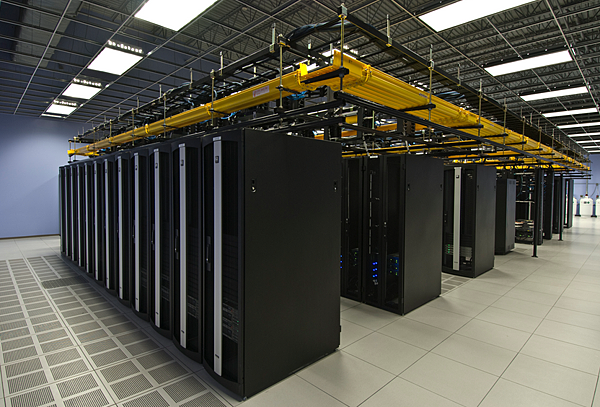
Datacenter migration, as smart devices add attack vectors exponentially, the Internet of things (IoT), industrial Internet of things (IIoT), and cloud-based applications rapidly increase data center risk.In this era of global connectivity, organizations need to constantly test their security against complex threats, including Web applications and file-free attacks, memory corruption, return/jump oriented programming (ROP/JOP), and compromised hardware and software supply chain attacks.
While data centers have traditionally relied on detecting and adopting perimeter security solutions to mitigate risks, the proliferation of new cyber threats has increased the need for prevention.According to poirot institute, estimates of data center outage costs an average of more than $740000 (nearly 40% since 2010), who is responsible for the data center network security staff must seek to adopt the next generation of prevention strategies to reduce and close the attack surface, and improve the efficiency of existing infrastructure, processes and personnel.
To protect the surrounding
For decades, peripheral security has been the primary means of protecting data centers.However, this strategy is similar to a medieval castle, where the object of protection is limited to a small area and protected by a solid wall with a heavily guarded entrance point.The data center has built a security layer around it, and these security layers collaborate in depth, the idea being that if one security layer doesn't defend against some attack, it can be protected by the next security layer.
Like castles, data centers emphasize the detection of traffic coming in and out of organizations.Traditional traffic detection methods include mapping out network access points to create continuous testing and reinforcement of peripheral facilities.This is very effective for detecting attacks and generating alerts, and hopefully enough security to prevent security layer damage that can lead to downtime, economic damage, reputational damage, and even environmental damage.
- Aug 20 Mon 2018 10:33
-
Datacenter migration, peripheral security issues
Datacenter migration, as smart devices add attack vectors exponentially, the Internet of things (IoT), industrial Internet of things (IIoT), and cloud-based applications rapidly increase data center risk.In this era of global connectivity, organizations need to constantly test their security against complex threats, including Web applications and file-free attacks, memory corruption, return/jump oriented programming (ROP/JOP), and compromised hardware and software supply chain attacks.
While data centers have traditionally relied on detecting and adopting perimeter security solutions to mitigate risks, the proliferation of new cyber threats has increased the need for prevention.According to poirot institute, estimates of data center outage costs an average of more than $740000 (nearly 40% since 2010), who is responsible for the data center network security staff must seek to adopt the next generation of prevention strategies to reduce and close the attack surface, and improve the efficiency of existing infrastructure, processes and personnel.
To protect the surrounding
For decades, peripheral security has been the primary means of protecting data centers.However, this strategy is similar to a medieval castle, where the object of protection is limited to a small area and protected by a solid wall with a heavily guarded entrance point.The data center has built a security layer around it, and these security layers collaborate in depth, the idea being that if one security layer doesn't defend against some attack, it can be protected by the next security layer.
Like castles, data centers emphasize the detection of traffic coming in and out of organizations.Traditional traffic detection methods include mapping out network access points to create continuous testing and reinforcement of peripheral facilities.This is very effective for detecting attacks and generating alerts, and hopefully enough security to prevent security layer damage that can lead to downtime, economic damage, reputational damage, and even environmental damage.
- Aug 15 Wed 2018 10:39
-
機房建置,虛擬化降低數據中心存儲系統運維複雜度

機房建置,爲了滿足各類信息系統日益增長的IT資源需求,降低架構及管理複雜度並實現IT資源的快速交付和彈性分配,基於虛擬化技術建設雲數據中心已成爲當前高校信息化部門的首選。然而,從大多數高校數據中心的建設實踐看,虛擬化技術在計算、網絡和存儲這三大體系上的應用程度並不均衡,尤其是存儲虛擬化並未引起足夠的重視,已成爲高校數據中心建設的短板。
一、數據中心存儲系統面臨的問題
高校應用系統類型複雜,數量繁多。在建設和運行過程中,其存儲容量需求往往呈現螺旋上升趨勢。數據中心建設時,往往由於對存儲容量需求無法準確預估,項目預算或建設週期限制等原因,存儲擴容成爲常態。在擴容過程中,往往由於技術發展,採購限制等種種原因,不得不放棄在原有設備上進行擴容或採購相同設備的方案,而採購新的異構存儲設備。隨着存儲系統規模的不斷擴大,以下問題便凸顯出來:
1、管理複雜度急劇增加
由於不同廠商的存儲設備底層架構、管理界面和軟件功能都有較大的差別,在異構存儲環境下,配置和管理的複雜度無疑會大大增加。不同設備間的數據複製、遷移等操作需要較高的成本。
- Aug 15 Wed 2018 10:39
-
機房建置,虛擬化降低數據中心存儲系統運維複雜度
機房建置,爲了滿足各類信息系統日益增長的IT資源需求,降低架構及管理複雜度並實現IT資源的快速交付和彈性分配,基於虛擬化技術建設雲數據中心已成爲當前高校信息化部門的首選。然而,從大多數高校數據中心的建設實踐看,虛擬化技術在計算、網絡和存儲這三大體系上的應用程度並不均衡,尤其是存儲虛擬化並未引起足夠的重視,已成爲高校數據中心建設的短板。
一、數據中心存儲系統面臨的問題
高校應用系統類型複雜,數量繁多。在建設和運行過程中,其存儲容量需求往往呈現螺旋上升趨勢。數據中心建設時,往往由於對存儲容量需求無法準確預估,項目預算或建設週期限制等原因,存儲擴容成爲常態。在擴容過程中,往往由於技術發展,採購限制等種種原因,不得不放棄在原有設備上進行擴容或採購相同設備的方案,而採購新的異構存儲設備。隨着存儲系統規模的不斷擴大,以下問題便凸顯出來:
1、管理複雜度急劇增加
由於不同廠商的存儲設備底層架構、管理界面和軟件功能都有較大的差別,在異構存儲環境下,配置和管理的複雜度無疑會大大增加。不同設備間的數據複製、遷移等操作需要較高的成本。
- Aug 15 Wed 2018 10:05
-
Datacenter migration must pay close attention to peripheral security.

Datacenter migration, as smart devices add attack vectors exponentially, the Internet of things (IoT), industrial Internet of things (IIoT), and cloud-based applications rapidly increase data center risk.In this era of global connectivity, organizations need to constantly test their security against complex threats, including Web applications and file-free attacks, memory corruption, return/jump oriented programming (ROP/JOP), and compromised hardware and software supply chain attacks.
While data centers have traditionally relied on detecting and adopting perimeter security solutions to mitigate risks, the proliferation of new cyber threats has increased the need for prevention.According to poirot institute, estimates of data center outage costs an average of more than $740000 (nearly 40% since 2010), who is responsible for the data center network security staff must seek to adopt the next generation of prevention strategies to reduce and close the attack surface, and improve the efficiency of existing infrastructure, processes and personnel.
To protect the surrounding
For decades, peripheral security has been the primary means of protecting data centers.However, this strategy is similar to a medieval castle, where the object of protection is limited to a small area and protected by a solid wall with a heavily guarded entrance point.The data center has built a security layer around it, and these security layers collaborate in depth, the idea being that if one security layer doesn't defend against some attack, it can be protected by the next security layer.
Like castles, data centers emphasize the detection of traffic coming in and out of organizations.Traditional traffic detection methods include mapping out network access points to create continuous testing and reinforcement of peripheral facilities.This is very effective for detecting attacks and generating alerts, and hopefully enough security to prevent security layer damage that can lead to downtime, economic damage, reputational damage, and even environmental damage.
- Aug 15 Wed 2018 10:05
-
Datacenter migration must pay close attention to peripheral security.
Datacenter migration, as smart devices add attack vectors exponentially, the Internet of things (IoT), industrial Internet of things (IIoT), and cloud-based applications rapidly increase data center risk.In this era of global connectivity, organizations need to constantly test their security against complex threats, including Web applications and file-free attacks, memory corruption, return/jump oriented programming (ROP/JOP), and compromised hardware and software supply chain attacks.
While data centers have traditionally relied on detecting and adopting perimeter security solutions to mitigate risks, the proliferation of new cyber threats has increased the need for prevention.According to poirot institute, estimates of data center outage costs an average of more than $740000 (nearly 40% since 2010), who is responsible for the data center network security staff must seek to adopt the next generation of prevention strategies to reduce and close the attack surface, and improve the efficiency of existing infrastructure, processes and personnel.
To protect the surrounding
For decades, peripheral security has been the primary means of protecting data centers.However, this strategy is similar to a medieval castle, where the object of protection is limited to a small area and protected by a solid wall with a heavily guarded entrance point.The data center has built a security layer around it, and these security layers collaborate in depth, the idea being that if one security layer doesn't defend against some attack, it can be protected by the next security layer.
Like castles, data centers emphasize the detection of traffic coming in and out of organizations.Traditional traffic detection methods include mapping out network access points to create continuous testing and reinforcement of peripheral facilities.This is very effective for detecting attacks and generating alerts, and hopefully enough security to prevent security layer damage that can lead to downtime, economic damage, reputational damage, and even environmental damage.
- Aug 14 Tue 2018 10:11
-
機房建置,數據中心業務價值如何延續?

機房建置,海量數據的涌現和管理需求直接影響了中國數據中心行業的發展態勢。其一是趨於建造越來越多的部署集中型的大型數據中心。據統計,中國目前擁有超過50萬個數據中心,體量僅次於美國市場,排名世界第二,同時國內託管數據中心也在積極的進行兼併與收購,包括購買海外前十的資產,而公有云和私有云的興起,使得大量數據開始向雲端轉移……如此巨大體量和規模龐大的迅猛發展,如何通過規範化、標準化的服務滿足當下客戶對數據中心基礎設施建設和管的新要求?
由於行業趨勢的變化,中國數據中心出現了諸多問題和挑戰。根據2017年的數據統計,18%的數據中心都曾經發生過導致應用中斷的大型事故。其原因包括規劃設計階段因控制成本導致的設計質量低下、運維階段出現的體系流程不完善、人員資質和數量不夠導致的維護不足等諸多因素。由於沒有服務商對數據中心從規劃設計到後期運維的每一階段負責,造成故障頻發及出現故障處理不及時等問題。
除此之外,數據中心也面臨着能源消耗過大的問題。規模龐大的數據中心在成爲全球經濟的強大引擎,併爲經濟動脈源源不斷的輸送血液的同時,也消耗了巨大的能量。據全球權威統計,數據中心能耗已佔整個社會能耗的3%,數據中心綠色建設、高效運營已是迫在眉睫的任務。
基於以上數據中心出現的問題和麪臨的挑戰,施耐德電氣作爲數據中心永續運行理念的倡導者,基於其在數據中心基礎設施建設和管理多年的市場觀察和經驗,率先提出並率先提供全生命週期服務,旨在爲客戶數據中心的建造到運維各階段提供技術支持與增值服務,致力於幫助客戶構建真正具有高可用性、高可靠性和高效運營管理的數據中心。
日前,全球能效管理和自動化領域數字化轉型的領導者施耐德電氣在京成功舉辦了全生命週期服務媒體分享會。在分享會上,施耐德電氣IT業務部數據中心業務架構總監張子揚與施耐德電氣IT業務部全生命週期服務業務拓展經理蔣勝與媒體分享了施耐德電氣在數據中心全生命週期內提供的強大的服務能力和領先的技術。
- Aug 14 Tue 2018 10:11
-
機房建置,數據中心業務價值如何延續?
機房建置,海量數據的涌現和管理需求直接影響了中國數據中心行業的發展態勢。其一是趨於建造越來越多的部署集中型的大型數據中心。據統計,中國目前擁有超過50萬個數據中心,體量僅次於美國市場,排名世界第二,同時國內託管數據中心也在積極的進行兼併與收購,包括購買海外前十的資產,而公有云和私有云的興起,使得大量數據開始向雲端轉移……如此巨大體量和規模龐大的迅猛發展,如何通過規範化、標準化的服務滿足當下客戶對數據中心基礎設施建設和管的新要求?
由於行業趨勢的變化,中國數據中心出現了諸多問題和挑戰。根據2017年的數據統計,18%的數據中心都曾經發生過導致應用中斷的大型事故。其原因包括規劃設計階段因控制成本導致的設計質量低下、運維階段出現的體系流程不完善、人員資質和數量不夠導致的維護不足等諸多因素。由於沒有服務商對數據中心從規劃設計到後期運維的每一階段負責,造成故障頻發及出現故障處理不及時等問題。
除此之外,數據中心也面臨着能源消耗過大的問題。規模龐大的數據中心在成爲全球經濟的強大引擎,併爲經濟動脈源源不斷的輸送血液的同時,也消耗了巨大的能量。據全球權威統計,數據中心能耗已佔整個社會能耗的3%,數據中心綠色建設、高效運營已是迫在眉睫的任務。
基於以上數據中心出現的問題和麪臨的挑戰,施耐德電氣作爲數據中心永續運行理念的倡導者,基於其在數據中心基礎設施建設和管理多年的市場觀察和經驗,率先提出並率先提供全生命週期服務,旨在爲客戶數據中心的建造到運維各階段提供技術支持與增值服務,致力於幫助客戶構建真正具有高可用性、高可靠性和高效運營管理的數據中心。
日前,全球能效管理和自動化領域數字化轉型的領導者施耐德電氣在京成功舉辦了全生命週期服務媒體分享會。在分享會上,施耐德電氣IT業務部數據中心業務架構總監張子揚與施耐德電氣IT業務部全生命週期服務業務拓展經理蔣勝與媒體分享了施耐德電氣在數據中心全生命週期內提供的強大的服務能力和領先的技術。
- Aug 14 Tue 2018 10:01
-
Datacenter migration, how to reduce the risk of data center

Datacenter migration, before considering the complexity of data center design, it is necessary to consider the use of a flexible system without single point of failure (SPOF). By definition, a single point of failure (SPOF) is a component that, once the system fails, makes the entire system inoperable. In other words, a single point of failure produces an overall failure. . These may be component failures or incorrect human intervention, such as switching without knowing how the system reacts.
2N redundant system can be regarded as a minimum requirement for SPOF installation. For simplicity, it is assumed that the 2N system of the data center consists of two identical electrical and mechanical systems, A and B. Fault tree analysis (FTA) will highlight the combination of events that cause failure. However, it is very difficult to simulate human errors in fault tree analysis (FTA). The data used to simulate human errors will always be subjective, and there are many variables.
If the system in this 2N redundant system example is physically separate, any operation on one system should have no effect on the other. However, the introduction of enhancements is not uncommon. It uses a simple 2N redundant system and adds other components, such as disaster recovery links and public storage containers connecting the two systems.
In large-scale design, this becomes an automatic control system (such as SCADA, BMS), rather than a simple mechanical interlock. The basic principles of 2N redundant system have been destroyed, and the complexity of the system has increased exponentially. The same is true of the skills required by the operational team.
A review of the design still shows that 2N redundant design has been achieved, but the resulting complexity and operational challenges undermine the basic requirements of high availability design.
- Aug 14 Tue 2018 10:01
-
Datacenter migration, how to reduce the risk of data center
Datacenter migration, before considering the complexity of data center design, it is necessary to consider the use of a flexible system without single point of failure (SPOF). By definition, a single point of failure (SPOF) is a component that, once the system fails, makes the entire system inoperable. In other words, a single point of failure produces an overall failure. . These may be component failures or incorrect human intervention, such as switching without knowing how the system reacts.
2N redundant system can be regarded as a minimum requirement for SPOF installation. For simplicity, it is assumed that the 2N system of the data center consists of two identical electrical and mechanical systems, A and B. Fault tree analysis (FTA) will highlight the combination of events that cause failure. However, it is very difficult to simulate human errors in fault tree analysis (FTA). The data used to simulate human errors will always be subjective, and there are many variables.
If the system in this 2N redundant system example is physically separate, any operation on one system should have no effect on the other. However, the introduction of enhancements is not uncommon. It uses a simple 2N redundant system and adds other components, such as disaster recovery links and public storage containers connecting the two systems.
In large-scale design, this becomes an automatic control system (such as SCADA, BMS), rather than a simple mechanical interlock. The basic principles of 2N redundant system have been destroyed, and the complexity of the system has increased exponentially. The same is true of the skills required by the operational team.
A review of the design still shows that 2N redundant design has been achieved, but the resulting complexity and operational challenges undermine the basic requirements of high availability design.
